On cathedrals

As one does in while a tourist in Europe, I've seen a lot of cathedrals lately. By a lot, I mean just two, the Cathedral de Santiago de Compostela, and the Cathedral de Toledo. But that's two more than my usual rate of cathedrals-per-month back home.
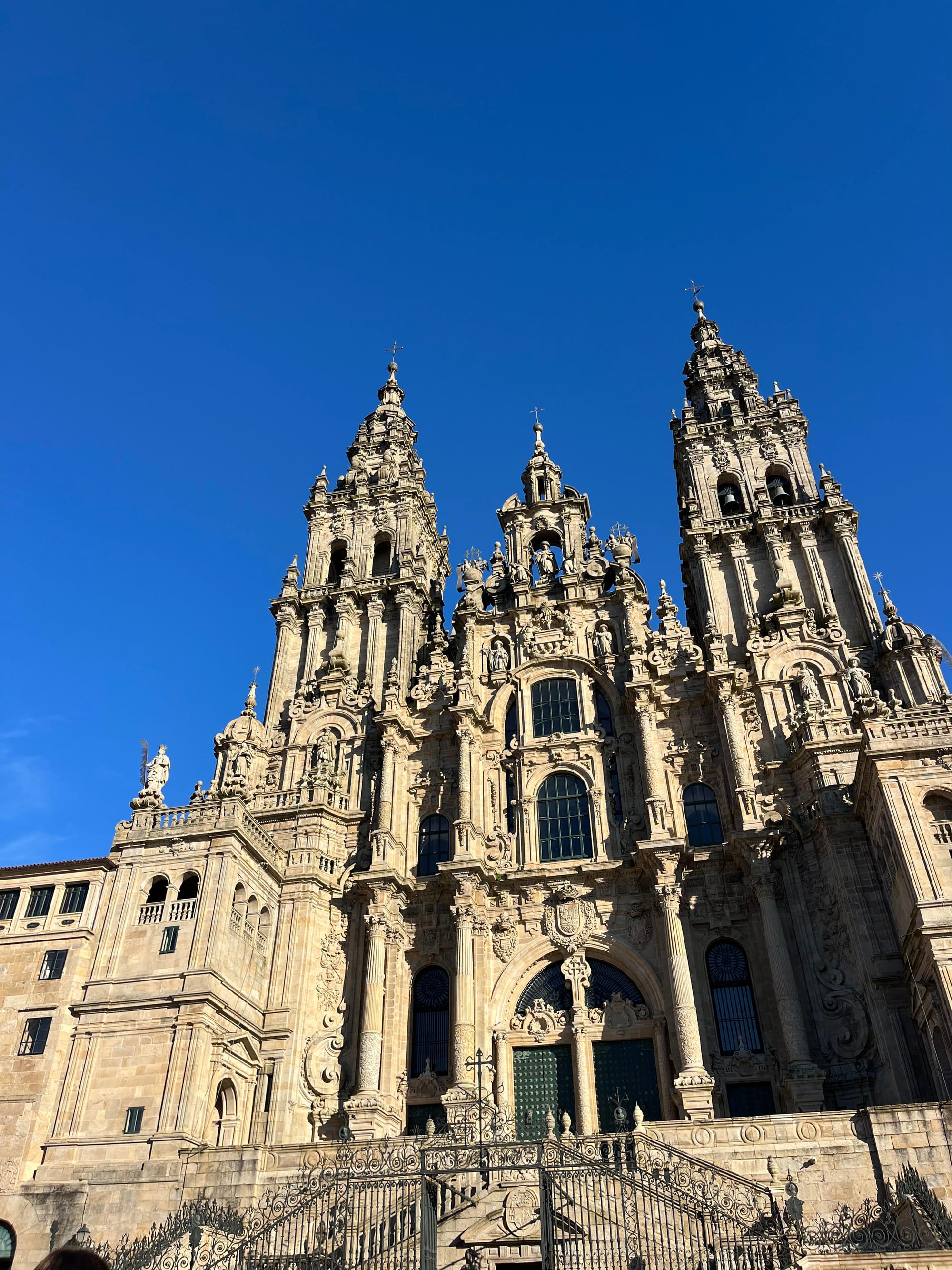
I saw the first cathedral with my cousin, and the second with some friends while on a day trip to Toledo last week. The last time I've visited a cathedral with other people was during my study abroad trip in London and Paris. My professor took our class to every cathedral and nearly every chapel within the city limits. My favorite was Sainte Chapelle in Paris, which is one of the most beautiful things I've ever seen. It's a little 13th century Gothic chapel from with stained glass walls stretching high into the sky into crisscrossed points.
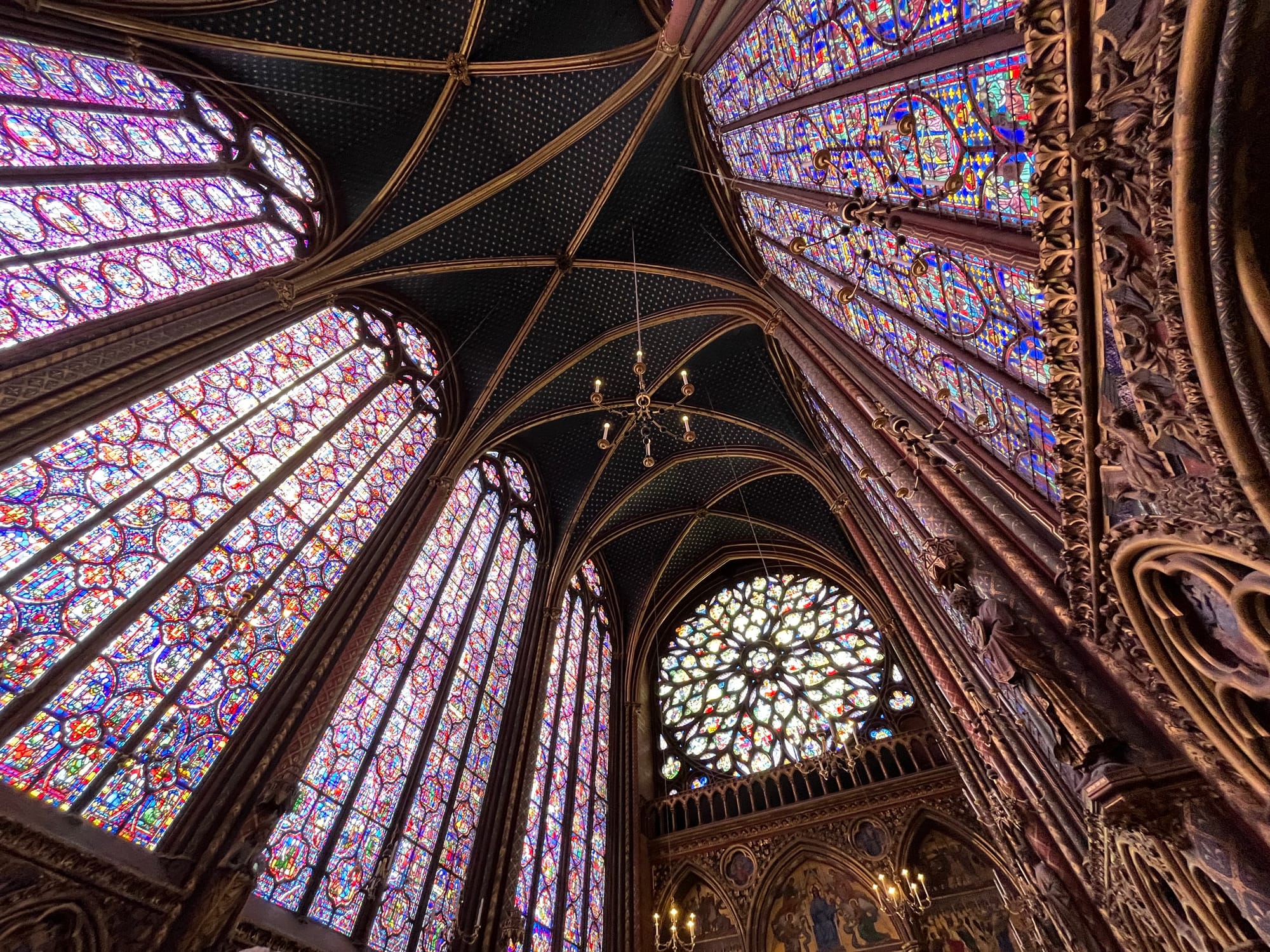
We were there on a warm summer day. You could feel the sun's heat through the windows, the light would catch on the dust kicked up by tourist, and when you reached your arm up it would become wrapped in the glass's multicolored light. Coincidentally, I had written a paper on the stained glass of Sainte Chapelle for a GE art history class the semester before. The class was called Intro to Art History, so I assumed it would be a standard art history class. But as my professor specialized in art history of cathedrals and churches, the class ended up being about art history of cathedrals and churches. I honestly don't remember a lot of actual cathedral architecture terms from it, I think because it was at 8:30 in the morning.
But what I did take away from it, which I think is more important, was an appreciation for cathedrals and churches in a way I never had before. I had just never really cared to look at them or think about them before being forced to. I also up until this point had never been in Europe before, so I hadn't really encountered many before. I also wasn't raised with religion or reverence for religion, so I kind of just dismissed them as something only to be enjoyed by religious fanatics or as just boring.
Cathedrals are obviously not as prominent or impressive in the US. In Europe, the Cathedral is usually quite significant to the identity of whatever city its in. It's often the most prominent building in a city skyline, and one of its respective regions oldest and historically significant buildings. In other words, they are hard to ignore.
That class made me realize the obvious: that religious significance is only one part of a cathedral or any sort of religious landmark. They also function as geographic and cultural landmarks. They are also political, economic, and cultural institutions. I guess that's obvious, but at the time it wasn't to me.
Sainte Chapelle isn't a cathedral, but it functioned similarly to one. Something I thought was really interesting about it was that many religious buildings were partially built not just be a place of worship, but as tourist attractions. You wanted religious pilgrims from far away to make the trip to Sainte Chapelle to enjoy its beauty, and view the religious artifacts it housed (Sainte Chapelle owned a relic called The Crown of Thorns), and then you can conveniently sell them things on their way out the door (Sainte Chapelle's exit was located at the entrance to a government-sponsored market).
Something that really excited me was that part of what adds cultural and economic value to cathedrals and churches or is the decoration that functions to make familiar narratives physical. Stained glass programs and relief sculptures along walls often functioned as essentially a comic book. If you knew the Bible's stories well, you'd recognize its characters and scenes as soon as you entered the building. But it could also be used for education, as supplemental illustrations for sermons as most didn't have access to an actual copy of the Bible/were illiterate. For a religious visitor in the 14th century, seeing all those characters and stories while hearing a sermon about them probably makes it feel so much more real.
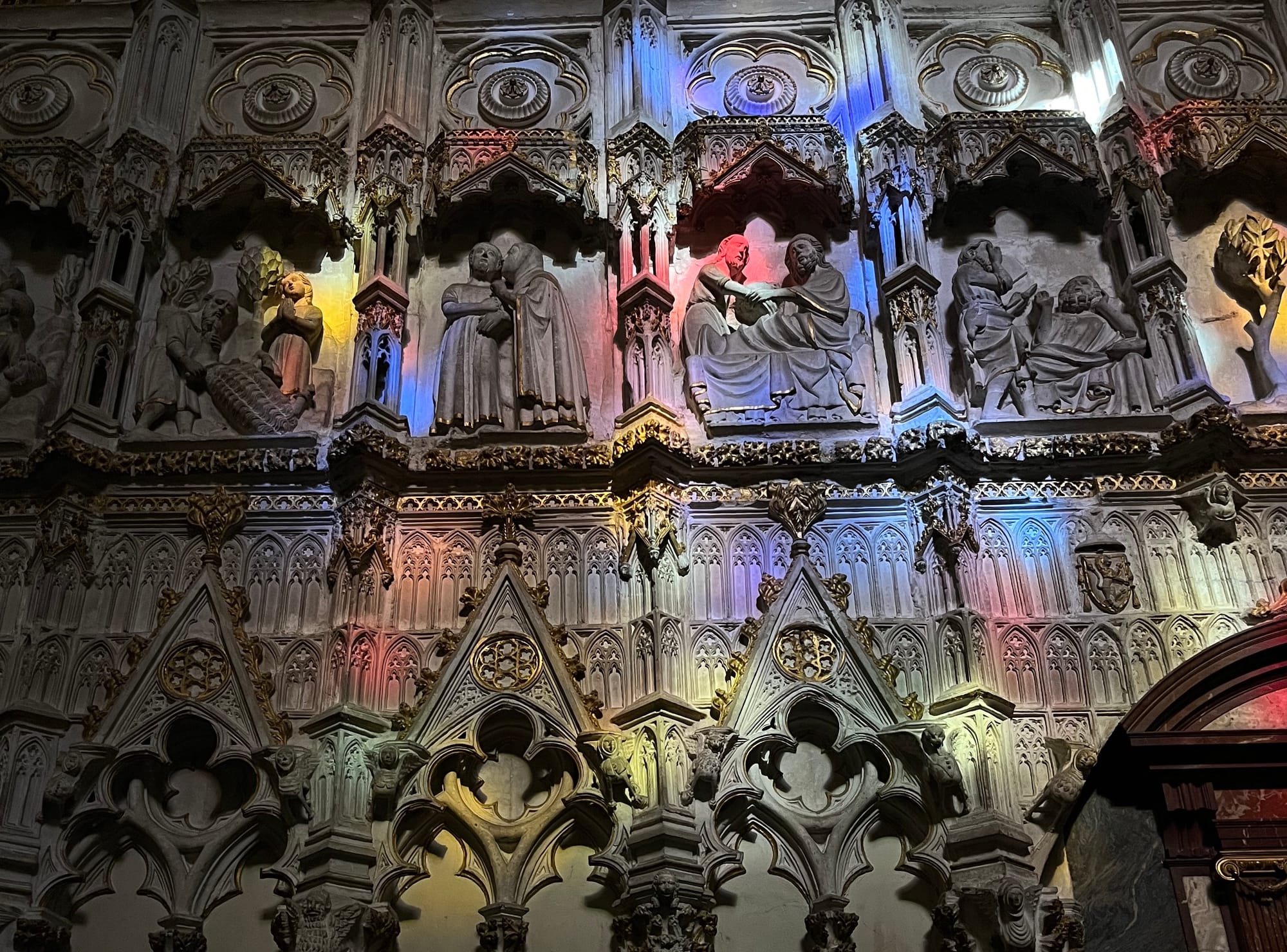
Sainte Chapelle's stained glass program is designed so that each panel is a different scene of various stories in sequential order. To me, it seems that Sainte Chapelle and other prominent churches/cathedrals are pretty similar to Disneyland, an (arguably) for-profit celebration of familiar stories, characters, and values. And like Disneyland, you can either look at it as a shrine to beloved stories and good family values, a representation of capitalistic greed, or something in between.
There are a lot of ways to look at it.
There's a lot ways to look at a cathedral literally. I think something I've experienced in every really elaborate European cathedral I've been to is that they're just kind of visually overwhelming. Like there's so much detail, so many carved marble figures, and stained glass, and frescoes, and stone textures. And they are all so intricate and old, it feels like you're wasting the experience if you don't notice all of it. But they are simply too big to see every detail if you visited a hundred times.
At the Cathedral de Toledo, there was a point where me and my friends were all looking at the same wall, which was exploding with gold and marble religious carvings. We were each drawn to different things: a gold fish, how each angel's face had their own unique features, a fresco of a rainbow, how one of the creepy baby cherubs was sneakily getting ready to swing incense in the corner. I really appreciated seeing that wall with other people because they pointed out details that I wouldn't have otherwise noticed, and vice versa.
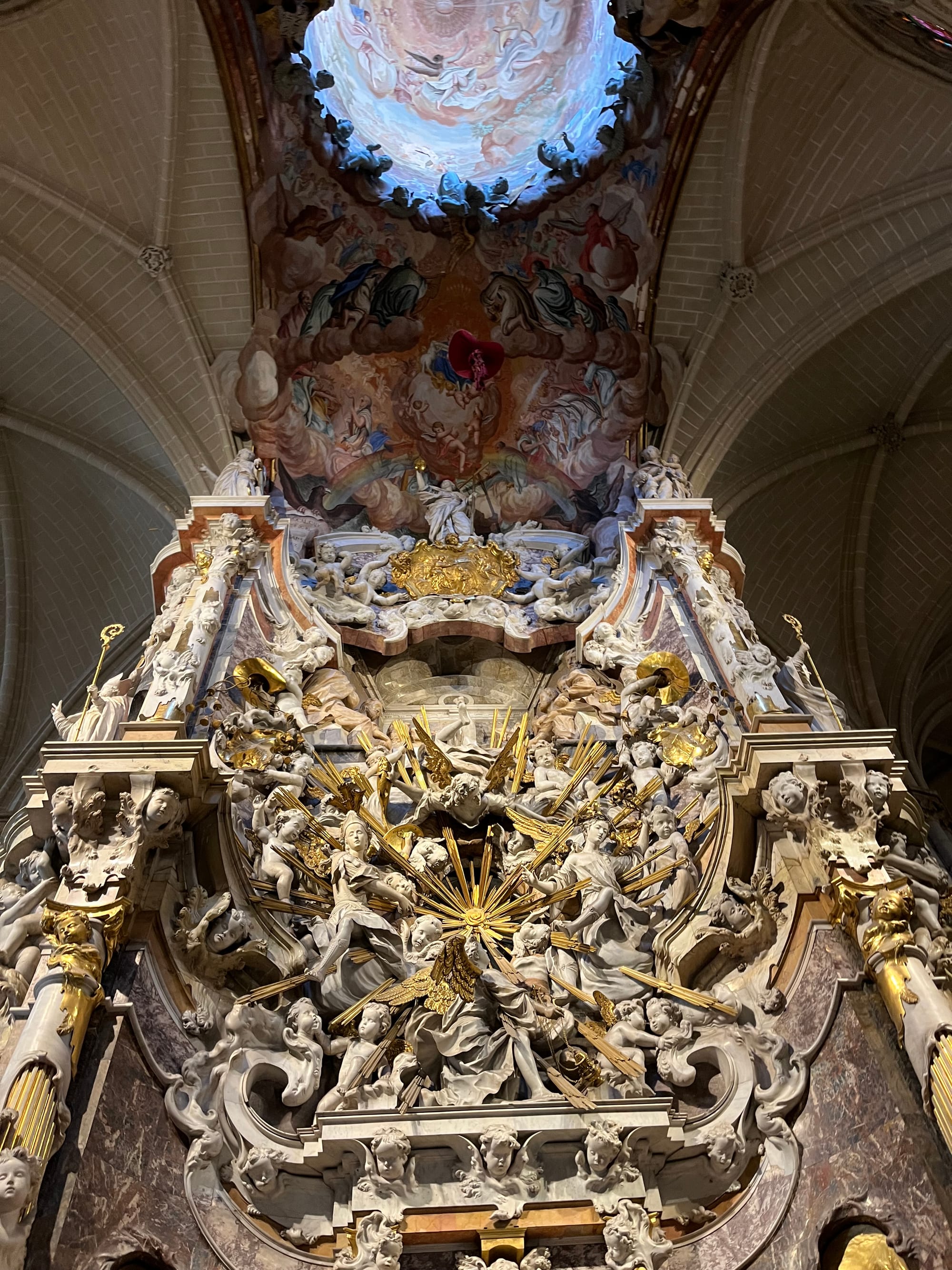
And just as they are visually overwhelming, they are kind of symbolically overwhelming as well. Back to my Disneyland point, you could draw dramatically different conclusions about a cathedral's symbolism and function based on your perspective and interests. I think something that's interesting is that in my experience, people rarely have a truly apathetic reaction to cathedrals.
I don't know many people, including myself, who would normally have particularly passionate reactions to cathedrals if you brought them up in conversation. But I think there's something about physically experiencing a cathedral that brings something up.
I wonder why this is. Maybe it's just that they are so impressive, whatever takeaway you have about them, when you're actually inside of one you're really faced with just how old and intricate and massive they are. They feel powerful. And a little intimidating. Plus there are usually no clear windows, you're kind of trapped.
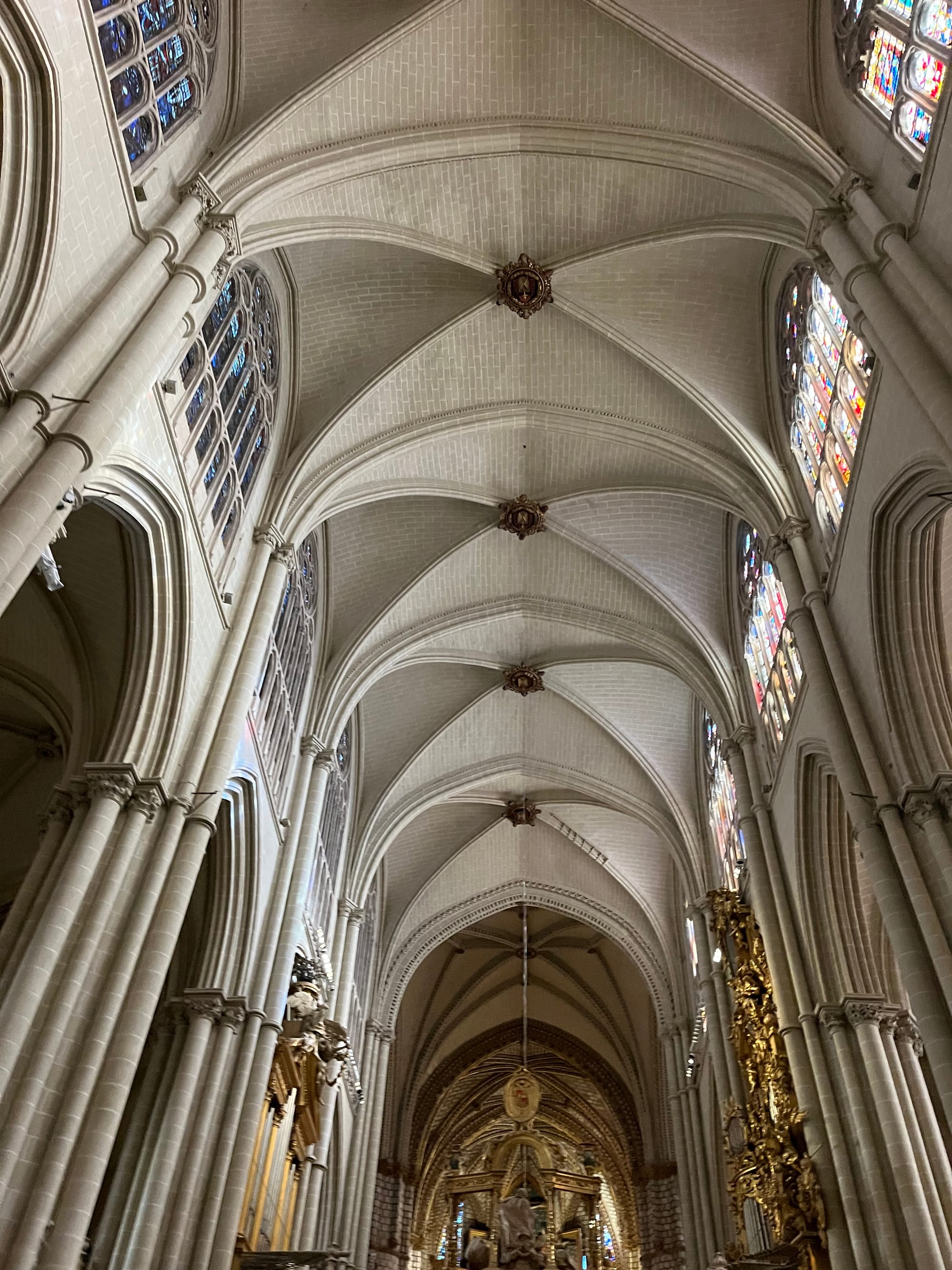
Even if they scoff and say cathedrals are worthless aren't with paying attention to, I feel like they're usually pretty worked up about that point.
Just as each of us were drawn to different details on the wall, each of us also had different perspectives on what a cathedral's symbolic value is.
In Toledo, one of my friends who studied music in college was immediately super excited about the organ and choir pit, and was thinking about the intended acoustics of the space. A speaker played one of those Gregorian Chants or whatever in Latin. Maybe for her, a cathedral is in part a place built for music and sound.
I've heard a few people I've been to cathedrals with say that cathedrals are symbols of oppression and exploitation. Underpaid workers could have died building it, the Church obviously has a long history of violently oppressing religious minorities, not to mention exploiting their own followers. To many throughout history, Christian imagery would elicit fear, and a cathedral would likely act as a constant reminder of their exclusion from the dominant culture.
One of my friends, who was raised Christian and speaks nostalgically about her childhood church, would definitely agree with that statement because she's really into civil rights law. But she's also very comfortable in Christian spaces. My mom, who was raised Catholic, says she feels really safe and happy when she sees religious imagery in churches.
I remember my history professor in Paris got really excited about cathedrals as political buildings and historical markers, that they almost function as tree rings, the same structure carrying evidence of so many years of important events. As cathedrals are important buildings, they would often be the natural site for treaties, coronations, you name it. Not to mention that the Catholic Church was (and still is) a highly political institution. He always made us go into the crypts to look at all the dates of the people buried there, and asked us to imagine what periods of history they would have witnessed in their lives. He also had a habit of forcing my classmates to take super awkward and borderline disrespectful photos next to the crypts of historical figures we covered in class, it was great.
I think the other common category is just cathedrals as as an art piece, a collection of master craftsmanship, aesthetic ideas, and meticulous planning. Imagine how many years it took someone to know how to carve marble well enough to be commissioned for the cathedral, and then how much time and thought just the single panel they might have contributed could have taken.
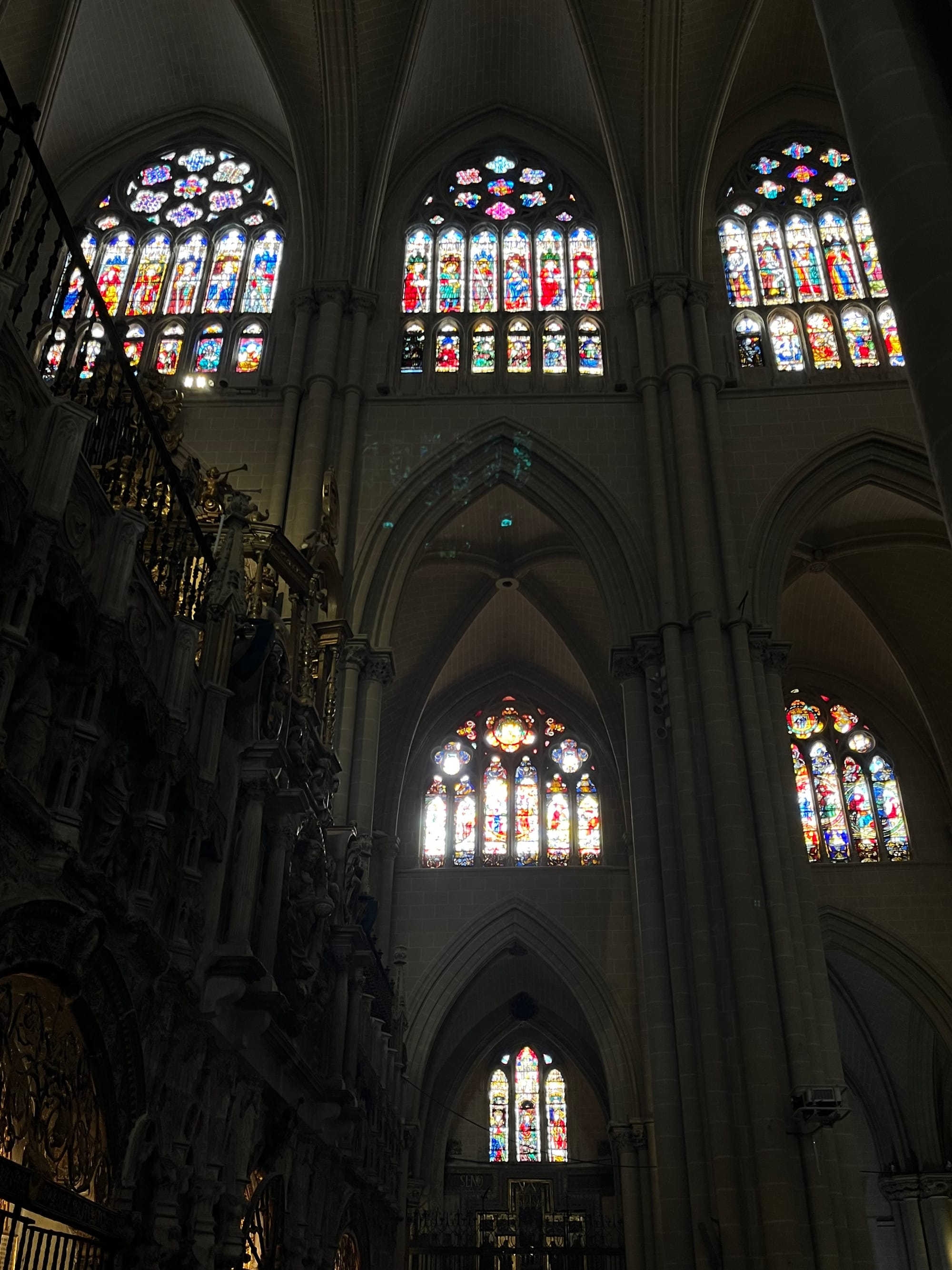
All of these angles on the value or lack thereof of cathedrals are simultaneously true and valid, I suppose that's obvious. I think one value of cathedrals is that they are so vast that they are able to hold so many, sometimes directly conflicting, truths and functions and in one place.
It makes sense that they are so aesthetically overwhelmed with detail and size. They are charged with overwhelming histories and meanings.
Like I mentioned, I'm not at all religious. I've honestly always been pretty skeptical of organized religion and religious spaces. But over the past year or so that I've been thinking a lot about community and communal spaces, I've increasingly thought about organized religion as a tool to create community.
I have been thinking a lot lately about communities and how we can live with each other and what we owe to each other. I think with that lens, it is interesting to view a cathedral as a building representative of their surrounding community. The unity and conflict, beauty and ugliness, corruption and purity, all the contradictions of the place it was built for.
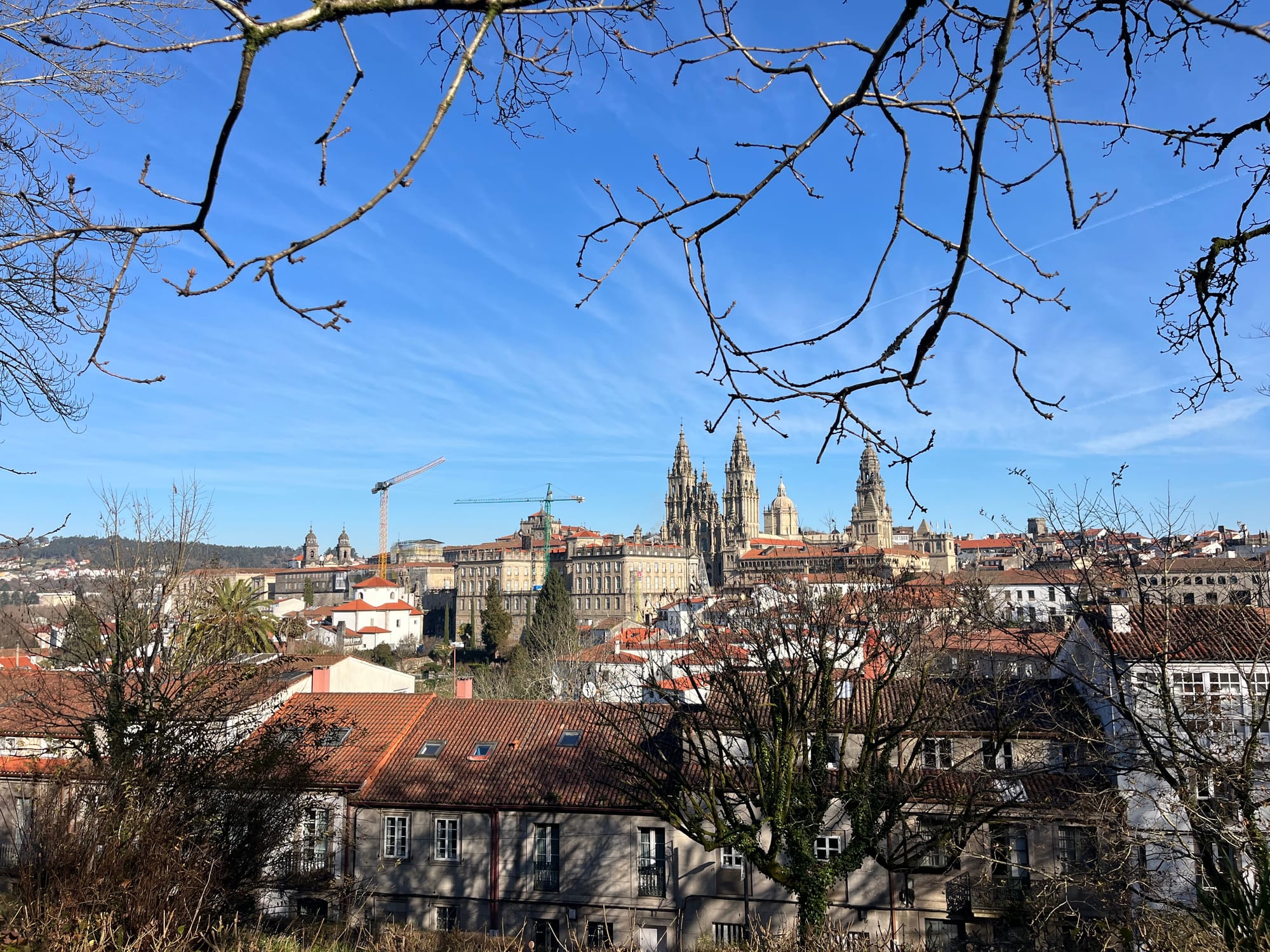
They aren't just built for community, but literally by community effort. You can't build one on your own. They are a collection of thousands of individual sources of expertise and manual labor and artistry for one product. You also aren't meant to experience them on your own. They are meant to contain hundreds of people for religious services. So it doesn't really matter that there's too much visual detail for one person to see. Each person will see a small piece. Those religious services are meant (in part, maybe also to make money and consolidate power ofc) to communicate narratives that set the expectations for a community's shared values and ideals.
I think that's my takeaway on the significance of cathedrals. That they are special because they can hold so much meaning and history for a community, both the beautiful and the hideous truth of the past and present.
I wonder what the American version of a cathedral would be. If you have an idea about this, please let me know.